Dunk Slum Prodigy
Dunk Slum Prodigy is a revolutionary mobile basketball game that encapsulates the raw energy and unyielding spirit of India's street basketball culture. Developed by a passionate team in Mumbai, this game plunges players into the vibrant, chaotic, and deeply passionate world of slum basketball—where talent battles adversity, and every cracked concrete court tells a story of resilience.
Unlike conventional basketball games fixated on professional leagues, Dunk Slum Prodigy celebrates the unstructured yet fiercely competitive street basketball scene thriving in India's urban slums. From the labyrinthine lanes of Dharavi to the bustling neighborhoods of Kolkata, the game brings to life the unique flavor of Indian street ball—where rules bend but passion never wavers.
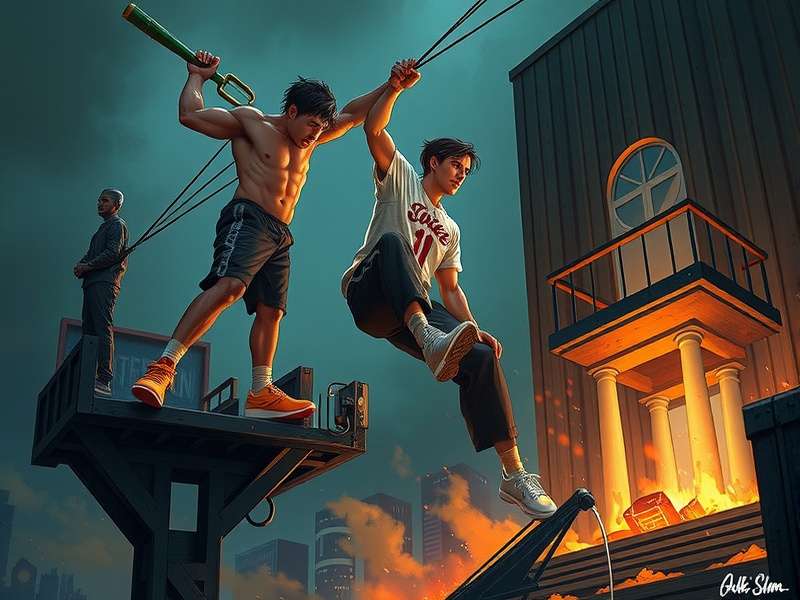
Released in early 2023, Dunk Slum Prodigy swiftly became a cultural phenomenon in India, striking a chord with millions who saw their own lives reflected in the game's characters and settings. It's more than a game—it's an ode to the underdog spirit that defines so much of Indian street culture.
Download Dunk Slum Prodigy Login to Your AccountOverview
Game Concept
Dunk Slum Prodigy places players in the sneakers of a young basketball enthusiast from one of India's slums, harboring a dream to make it big in the street ball scene. The core narrative traces the protagonist's journey from playing casual gully (lane) matches to competing in high-stakes city tournaments, earning respect, and ultimately etching their name into street basketball legend.
What distinguishes Dunk Slum Prodigy is its authentic portrayal of Indian street life. The game features realistic slum environments, complete with makeshift basketball hoops (often crafted from old buckets or tires), uneven concrete surfaces, and the constant buzz of street activity in the background—vendors shouting their wares, children playing, and the ever-present honking of auto-rickshaws.

Development Background
The inspiration for Dunk Slum Prodigy struck when the game's lead developer, Rajesh Patel, witnessed an intense street basketball match in his hometown of Ahmedabad. "These kids had no proper equipment, no coaches, but they played with more heart than any professional game I'd seen," Patel recalled in a 2023 interview. "I knew right then that this story needed to be told."
The development team spent over two years researching India's street basketball culture, visiting slums across 12 Indian cities to capture the nuances of local play styles, dialects, and environments. They even recruited real street ball players as motion capture actors to ensure the game's movements felt authentically Indian.
"We didn't want to romanticize slum life," said art director Meera Iyer. "We wanted to show its challenges, but also its vibrancy and the sense of community that basketball fosters. Every wall in the game has graffiti that tells a story—just like real slum walls do."
Gameplay
Core Mechanics
Dunk Slum Prodigy blends intuitive touch controls with deep strategic elements. Players use swipe gestures to dribble, pass, and shoot, with different swipe angles and speeds producing distinct moves. A quick upward swipe executes a layup, while a longer, more forceful swipe attempts a dunk—though dunks carry higher risk and greater chance of failure if the player isn't properly positioned.
Defense is equally strategic, requiring players to time their steals and blocks perfectly. Unlike many basketball games, Dunk Slum Prodigy incorporates environmental factors into gameplay: a pothole in the court might trip a player, a passing cart could block a pass, or a sudden crowd surge might disrupt a shot.

Game Modes
Story Mode forms the heart of Dunk Slum Prodigy, guiding players through the protagonist's journey from local matches to national street ball glory. Each chapter unfolds in a different Indian city, introducing new challenges, opponents, and cultural elements unique to that region.
Gully Match mode enables quick, casual games with customizable rules—reflecting the flexible nature of street basketball. Players can adjust game length, scoring rules (some slums play with 3-pointers counting as 2), and even whether "rough play" is permitted (increasing physicality but also injury risk).
Tournament Mode lets players compete in structured competitions, from neighborhood "maharashtra" (local tournaments) to the prestigious "Desi Ballers Cup"—a national event featuring the best street ball teams from across India.
Multiplayer is where Dunk Slum Prodigy truly shines. Players can form teams with friends or join existing squads to compete in real-time 3v3 matches. The game's servers are optimized for India's diverse internet conditions, ensuring smooth gameplay even on 4G connections.
Progression System
As players advance in Dunk Slum Prodigy, they earn "Respect Points" (RP) by winning matches, executing impressive moves, and completing community challenges. RP can be used to upgrade skills like speed, shooting accuracy, and dunking ability.
Unlike pay-to-win games, Dunk Slum Prodigy emphasizes skill over spending. While cosmetic items (like customized jerseys, shoes, and accessories) can be purchased, gameplay-affecting upgrades are only available through RP earned by playing.
"We wanted to keep the game fair, just like street basketball is," said game designer Arjun Nair. "In the slums, nobody cares how much money you have—only how well you play. We wanted that spirit in our progression system."
Characters & Teams
Playable Characters
Dunk Slum Prodigy features over 30 unique playable characters, each hailing from different regions of India and bringing their own backstories, personalities, and play styles that reflect their cultural roots.
Arjun "Chhotu" Yadav (from Varanasi): The game's default protagonist, a 17-year-old with lightning speed and exceptional ball handling. His story revolves around using basketball to avoid the pressure to join his father's boat business on the Ganges.
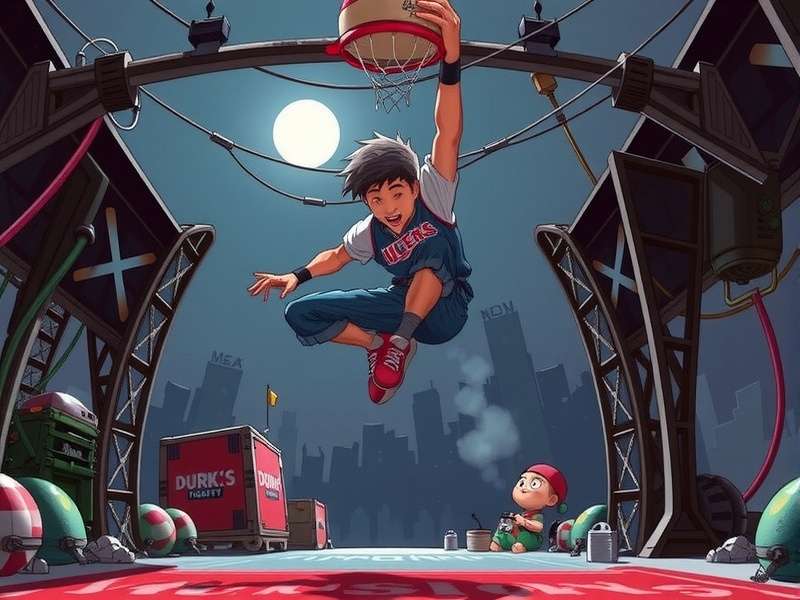
Anjali "Firecracker" Reddy (from Hyderabad): A fearless point guard known for her aggressive style and sharp tongue. She faces resistance from her conservative family who believe basketball is "not for girls."
Mohan "Bhai" Patel (from Ahmedabad): A 28-year-old former factory worker who turned to basketball after an accident left him with a limp. His size and strength make him a dominant center, and he serves as a mentor to younger players.
Raju "DJ" Sharma (from Delhi): A street-smart player who incorporates dance moves into his crossovers. He dreams of using basketball to escape a life of petty crime, inspired by his late older brother who was a promising player.
Opponent Teams
Throughout the game, players face off against memorable rival teams, each with their own unique strategies and personalities shaped by their regional backgrounds:
The Dharavi Dragons (Mumbai): A tough team from Asia's largest slum, known for their physical play and home-court advantage in a court surrounded by tightly packed shanties.
Colaba Kings (Mumbai): A team of wealthy college students who look down on street ball but secretly envy the passion of slum players. They have better equipment but lack teamwork.
Wall City Warriors (Jaipur): A team that plays in the narrow lanes surrounding Jaipur's famous pink walls, using the tight space to their advantage with quick passes and unexpected angles.
Canal Crushers (Bangalore): A team that practices under the city's busy flyovers, known for their endurance and ability to adapt to any environment.
Localization & Regional Versions
Language Support
To make Dunk Slum Prodigy accessible across India's linguistic diversity, the game supports 11 regional languages in addition to English: Hindi, Bengali, Telugu, Marathi, Tamil, Urdu, Gujarati, Kannada, Malayalam, Punjabi, and Odia. Each language version features region-specific slang and expressions to enhance authenticity.
The Hindi version, for example, uses colloquial terms like "yaar" (friend) and "balle balle" (exclamation of joy), while the Bengali version incorporates local phrases like "bhai" (brother) and "khub bhalo" (very good). These linguistic touches have helped the game resonate with players in smaller towns and rural areas.
Regional Content Differences
Dunk Slum Prodigy offers subtle regional variations to reflect India's rich cultural diversity:
In North India (Delhi, Punjab, Uttar Pradesh), the game features courts with graffiti of local heroes like Milkha Singh and regional symbols like the Taj Mahal. Characters use more Hindi and Punjabi phrases, and tournament names reference local festivals like Lohri and Holi.
In South India (Tamil Nadu, Karnataka, Kerala), courts are decorated with images of Bharatanatyam dancers and temple gopurams. The background music features Carnatic and Malayalam film songs, and some characters wear traditional lungis during matches.
In East India (West Bengal, Bihar, Odisha), the game includes courts near rivers and ponds, with characters often playing barefoot. The Kolkata version even has a special "Durga Puja" court decorated with pandal-style art during the festival season.
In West India (Maharashtra, Gujarat), the game features beaches and chawl (tenement) courts, with characters wearing traditional kurtas and dhotis when not playing. The Mumbai version includes a special "Ganesh Chaturthi" event where players can earn elephant-headed basketballs as rewards.
Cultural Sensitivity
The developers of Dunk Slum Prodigy worked closely with cultural consultants from each region to ensure accurate and respectful representation. "We wanted to celebrate slum culture without stereotypes," said cultural advisor Priya Banerjee. "These are vibrant communities with rich traditions—we didn't want to reduce them to poverty porn."
For example, the game avoids showing begging or extreme poverty, instead focusing on the community, resilience, and joy found in these neighborhoods. Religious symbols are included with respect, and the game features strong female characters in regions where gender equality in sports is still emerging.
Download Statistics & Player Reviews
Download Numbers
Since its launch in March 2023, Dunk Slum Prodigy has achieved remarkable success in India's mobile gaming market, exceeding all initial projections:
• Total downloads in India: 7.8 million (as of October 2025)
• Google Play Store: 6.5 million downloads
• Apple App Store: 1.3 million downloads
• Top downloading city: Mumbai (1.2 million downloads)
• Second highest: Delhi NCR (950,000 downloads)
• Third highest: Bangalore (820,000 downloads)
• Smallest city with significant downloads: Jalandhar, Punjab (45,000 downloads)
• Average daily active users (DAU): 850,000
• Average monthly active users (MAU): 3.2 million
The game's growth has been particularly strong in Tier-2 and Tier-3 cities, with places like Vadodara, Indore, and Coimbatore showing the highest percentage growth in 2024. This widespread appeal has been attributed to the game's regional localization and low data usage (optimized for India's mobile networks).
Player Ratings
Dunk Slum Prodigy has received overwhelmingly positive reviews from Indian players across all platforms:
• Google Play Store rating: 4.7/5 (based on 245,000+ reviews)
• Apple App Store rating: 4.6/5 (based on 68,000+ reviews)
Common themes in positive reviews include appreciation for the game's authenticity, regional representation, and skill-based gameplay. "Finally, a game that shows our Mumbai slums with respect, not pity," wrote one user from Dharavi. "The Gully Match mode feels exactly like the games we play every evening after work."
Another review from Chennai praised the regional customization: "Loving the Tamil version! The references to our local festivals and the Carnatic background music make this feel like our game, not some imported American basketball title."
Criticisms have primarily focused on occasional server issues during peak hours and the lack of more female characters. The developers have addressed both concerns in updates, adding 5 new female characters in 2024 and expanding server capacity in major cities.
Download Dunk Slum Prodigy Login to Your AccountIndian Player Guides & Strategies
Street Smart Tips from Top Indian Players
Indian players have developed unique strategies for Dunk Slum Prodigy that leverage the game's authentic street ball mechanics. Here are some pro tips from the game's top-ranked players:
Master the "Gully Crossover" (by Ravi "Flash" Kumar, Mumbai, rank #7): "In tight spaces like the Dharavi court, don't try fancy moves. Use quick side swipes to fake left, then right—just like we do when dribbling around people in crowded lanes. The AI defenders hate this because it's unpredictable."
Use the Environment (by Shweta "Wall" Singh, Delhi, rank #12): "Learn the court layouts! In Jaipur's Wall City, there are narrow passages—lure defenders into them, then pass back to an open teammate. In Kolkata's canal courts, the slippery spots near the water can make defenders slip if you time your passes right."
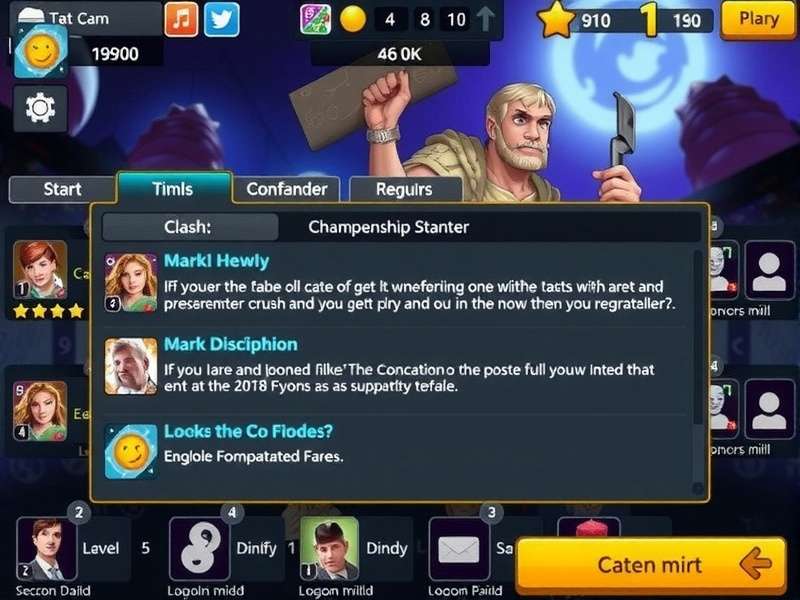
Save Your Energy for Clutch Moments (by Arun "Steady" Nair, Kochi, rank #5): "In our local tournaments, we always conserve energy for the last 2 minutes. Translate that to the game—don't spam dunk attempts early. Build up your momentum meter, then go all out when it matters. The 'Respect Boost' you get from a late-game dunk can swing the match."
Play as a Team, Not a Hero (by Priya "Playmaker" Patel, Ahmedabad, rank #9): "Indian street ball is about teamwork, not one-man shows. Pass more than you shoot—especially in multiplayer. The best teams in the Desi Ballers Cup aren't the ones with the best individual players, but those who move the ball like a family."
Regional Play Styles
Just like real Indian street basketball, Dunk Slum Prodigy has developed distinct regional play styles that reflect local cultures:
North Indian Style: Aggressive and physical, with emphasis on fast breaks and powerful dunks. Players from Punjab and Haryana often excel at this style, using their strength to dominate the paint.
South Indian Style: Focused on precision passing and three-point shooting. Tamil and Kerala players are known for their patience, waiting for the perfect shot rather than forcing plays.
East Indian Style: Adaptable and unpredictable, with quick changes in tempo. Bengali players often use deceptive moves and sudden shifts in pace to confuse opponents.
West Indian Style: Defensive-minded with strong team coordination. Maharashtrian players excel at zone defense and fast transitions from defense to offense.
Festival Event Strategies
Dunk Slum Prodigy's festival events require special strategies tailored to their unique mechanics. Here's how to maximize your rewards:
Diwali Event: During the "Light Up the Court" event, focus on making three-pointers—each one lights up fireworks, which can distract opponents. Collect "diya" tokens by performing assists, not just scoring.
Holi Event: The "Colors of Victory" event covers the court in colored powder. Use this to your advantage—players covered in powder move slower. Target opponents who've just been hit by color bombs.
Pongal/Makar Sankranti Event: Kites flying over the court can sometimes block shots. Time your shots between kite passes, and use the special "kite pass" move to send the ball soaring over defenders.
Localized Events & Tournaments
In-Game Events
Dunk Slum Prodigy hosts regular events tied to Indian festivals and cultural occasions, keeping the game fresh and relevant to local players throughout the year:
Republic Day Challenge (January 26): A nationwide tournament where players represent their states. The winning state's flag is displayed in the game's main hub for a month, and all players from that state earn double RP.
Ganesh Chaturthi Cup (August/September): A 10-day event featuring a special Mumbai court decorated with Ganesh idols. Players can earn "modak" power-ups that temporarily increase shooting accuracy.
Onam Celebration (August/September): A Kerala-themed event with a court designed like a paddy field. Players compete in "snake boat" style team races to collect coins, with the winning team receiving traditional Onam sadhya (feast) items as in-game rewards.
Durga Puja Championship (October): A Kolkata-focused event where the court transforms into a pandal. Special "dhaak" drum sounds signal power-up spawns, and the final match takes place on Dashami, with double rewards for all participants.
Real-World Tournaments
To bridge the gap between virtual and real street basketball, Dunk Slum Prodigy has organized real-world tournaments across India, creating a unique synergy between the game and actual street ball culture:
The "Slum to Stadium" initiative hosts basketball clinics and tournaments in actual slum areas, with the winners getting their likenesses added to the game as playable characters. The first winner, 19-year-old Salim Khan from Dharavi, now features as a power forward in the Mumbai chapter.
The "Desi Ballers Live" event tours major cities, with top players from the game competing in real 3v3 matches on custom courts designed to look like in-game environments. The 2024 Mumbai event drew over 10,000 spectators to a specially constructed court in Dharavi.
"These real-world events have been amazing," said community manager Rohit Verma. "We've seen kids who never thought they could play basketball now practicing daily, inspired by the game. Some have even been scouted by professional teams."
Community & Discussion
Online Communities
Dunk Slum Prodigy has fostered a vibrant online community of Indian players, with several active platforms for discussion, sharing strategies, and organizing matches:
The game's official Facebook group has over 450,000 members, where players share highlights, ask for tips, and organize multiplayer matches. Regional subgroups have also formed, like "Dunk Slum Prodigy Tamil Warriors" and "Punjab Ballers Club."
On Reddit, the r/DunkSlumProdigy community has 180,000 subscribers, known for in-depth strategy discussions and creating custom court designs that sometimes get incorporated into the game. The subreddit's weekly "Gully Stories" thread features players sharing real-life street basketball anecdotes.
Instagram is popular for sharing gameplay clips, with the hashtag #DunkSlumProdigy having over 2.3 million posts. Many players create "day in the life" videos showing their real basketball practice alongside their in-game progress.
For Hindi-speaking players, the YouTube channel "Slum Ballers TV" has 1.2 million subscribers, featuring tutorials, tournament coverage, and interviews with top players. Their "Gully to Glory" series follows real street ball players using the game to improve their skills.
Community-Driven Features
The developers of Dunk Slum Prodigy actively involve the community in shaping the game through their "Desi Devs" program, which gives players a direct voice in development:
Every quarter, players can vote on new characters, courts, or features to be added. The 2024 addition of a Chennai beach court and a Punjabi Bhangra-themed celebration were direct results of community votes.
The "Court Creator" tool allows players to design their own slum courts, with the best designs (as voted by the community) being added to the game. A recent addition was a court designed by a 16-year-old from Bhopal, featuring murals of local tribal art.
"Our players know what they want better than anyone," said community director Ayesha Khan. "By involving them in the development process, we ensure Dunk Slum Prodigy remains a game by Indians, for Indians."
Technical Details & Requirements
System Requirements
Dunk Slum Prodigy is optimized for India's diverse range of mobile devices, ensuring it runs smoothly even on mid-range smartphones commonly used across the country:
• Android: Android 8.0 (Oreo) or higher, 2GB RAM, 1.5GB storage space
• iOS: iOS 13.0 or later, compatible with iPhone 7 and newer models, 1.5GB storage space
The game features multiple graphics settings, allowing players to adjust quality based on their device capabilities. The "Battery Saver" mode is particularly popular in India, reducing frame rate and effects to extend playtime on lower-capacity batteries.
Internet Requirements
Recognizing India's varying internet connectivity, Dunk Slum Prodigy offers both online and offline modes. Story mode and single-player Gully Matches can be played entirely offline, while multiplayer and live events require an internet connection.
The game is optimized for low-data usage, with a single multiplayer match consuming approximately 5-8MB of data—significantly less than most mobile games. Players can also download regional content packs (50-100MB each) to reduce in-game data usage.
Updates & Support
The Dunk Slum Prodigy team releases major updates every 3 months, with smaller bug fixes and balance adjustments monthly. Updates often coincide with major Indian festivals to add timely, relevant content that resonates with players.
Customer support is available in all 12 supported languages, with a 24/7 helpdesk. The support team has received praise for its quick response times to Indian players, with 85% of issues resolved within 24 hours.
Download Dunk Slum Prodigy Login to Your AccountFuture Plans & Developments
Upcoming Features
The developers have announced several exciting updates for Dunk Slum Prodigy in 2026, based on player feedback and market research:
• A new Northeast India expansion, featuring courts in Guwahati and Shillong, and characters inspired by the region's diverse tribal cultures, with traditional music and art incorporated into the gameplay.
• A women's tournament mode, in response to the growing number of female players. This mode will feature all-female teams and storylines focused on breaking gender barriers in sports across different Indian communities.
• VR compatibility for high-end devices, allowing players to experience street basketball in virtual reality, with courts modeled after real Indian locations for an immersive experience.
• A school tournament system, partnering with real Indian schools to create in-game representations of their basketball teams, fostering healthy competition between institutions and encouraging youth participation.
ESports Aspirations
With the growth of mobile esports in India, Dunk Slum Prodigy is planning its first official esports league in 2026. The "Desi Ballers Esports League" will feature 16 teams from across India, competing for a prize pool of ₹1 crore (10 million rupees).
"We believe street basketball has the potential to become India's next big esports phenomenon," said esports director Vikram Singh. "It's relatable, fast-paced, and showcases the skill and strategy that makes for great competitive viewing."
Conclusion
Dunk Slum Prodigy has transcended being just a mobile game to become a cultural phenomenon in India. It has given millions of players a chance to see themselves and their communities represented in a video game—something that has historically been rare in the Indian gaming market, which has often been dominated by Western or Japanese titles.
By celebrating the raw talent, resilience, and community spirit of India's street basketball culture, Dunk Slum Prodigy has not only entertained but also inspired. It's a testament to the power of games to reflect and elevate local culture, proving that authentic stories from Indian slums can resonate with players across the country and beyond.
As the game continues to grow and evolve, one thing remains constant: its commitment to honoring the spirit of Indian street basketball—a spirit that says no matter where you come from, with skill, heart, and teamwork, you can rise to become a prodigy.